Empress Global Materials — Materials
Where supply is narrow and substitution is not an option.
The fields of work, read through the end markets that compete for the same few materials.
Coverage
Four end markets, one contested supply base.
These are the materials our advisory work concentrates on. They are listed to describe the firm's fields of competence — not as stock held, offered or available for sale.
Defence & aerospace
Alloys · munitions · propulsionMaterials governed by qualification and origin rules as much as by price.
Permanent magnets
Rare earthsThe separated oxides and metals behind motors, actuators and drive systems.
Semiconductors & AI infrastructure
Compound semis · data centresHigh-purity feedstock for compound semiconductors and data-centre hardware.
Energy storage
Battery chainFrom concentrate to battery-grade chemical, along a long qualification chain.
In the hand
What these materials actually look like.
Form is half the conversation. The same element arrives as a crystal bar, a flake, an oxide powder or a cast regulus — and each one is a different product, with a different buyer.
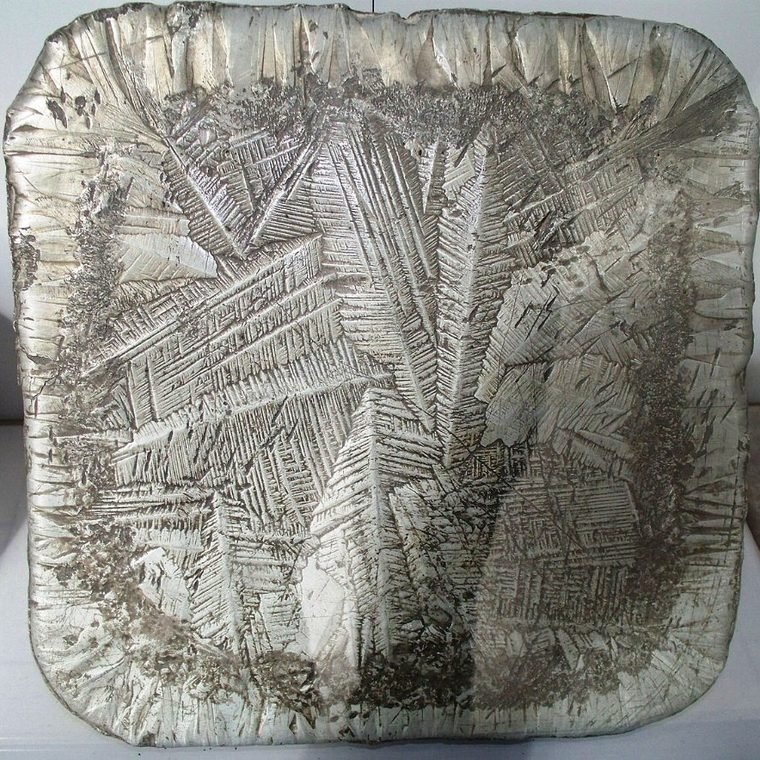
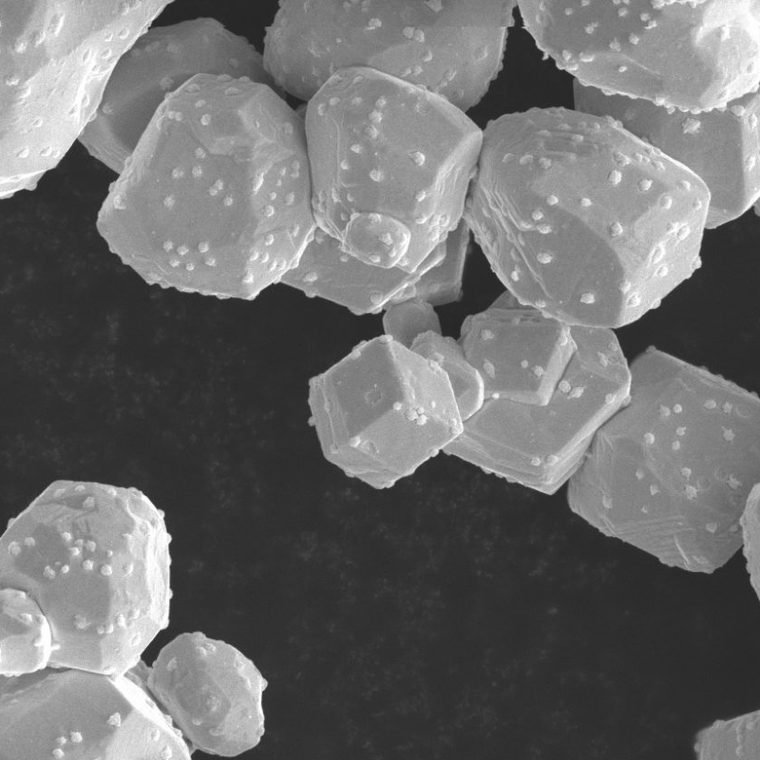
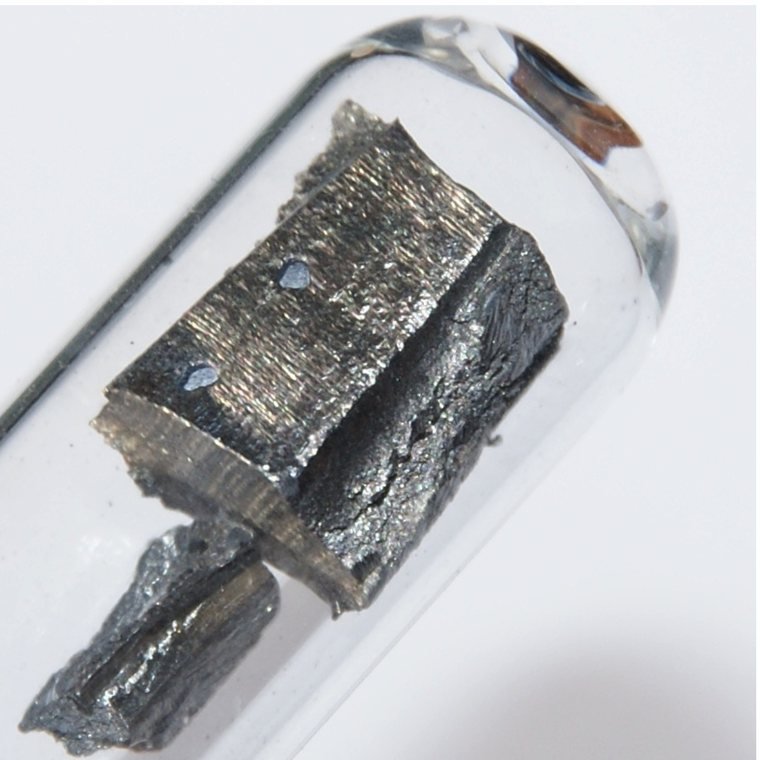
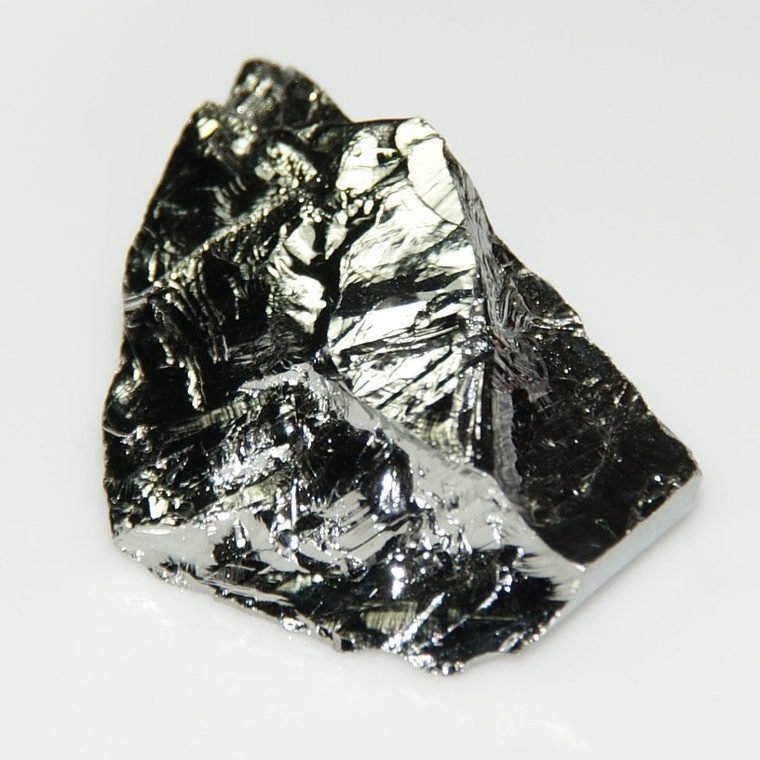
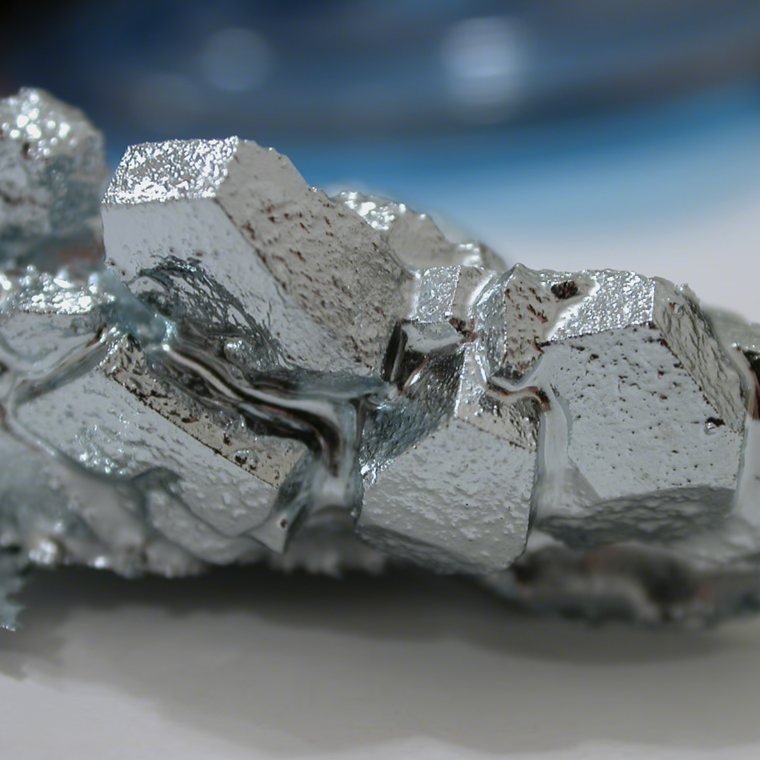
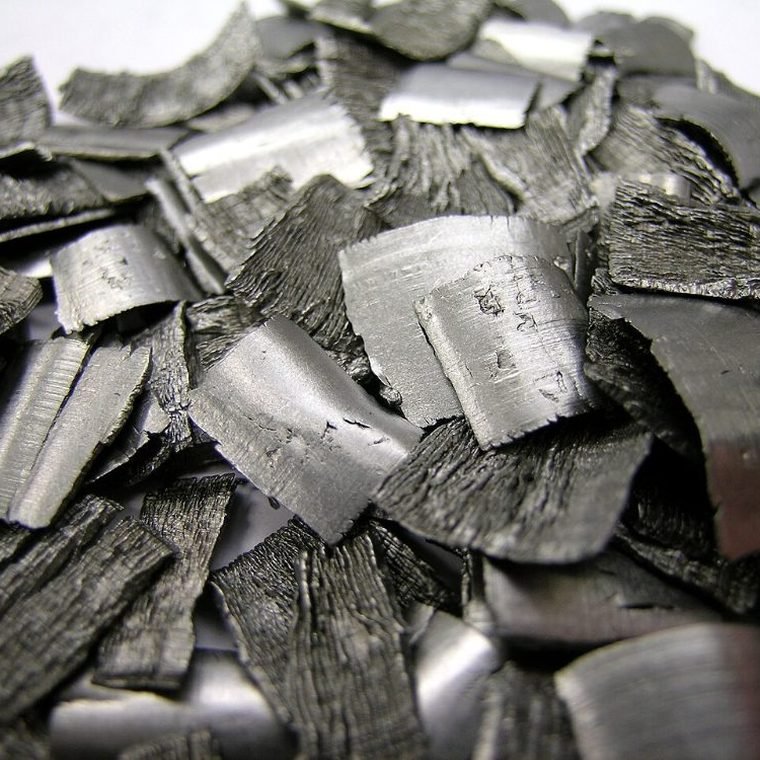
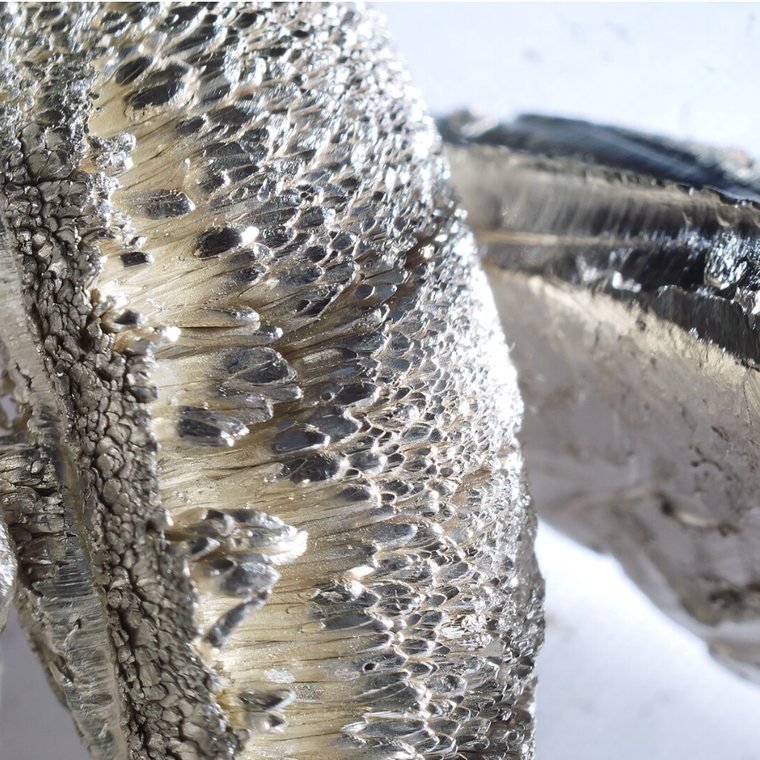
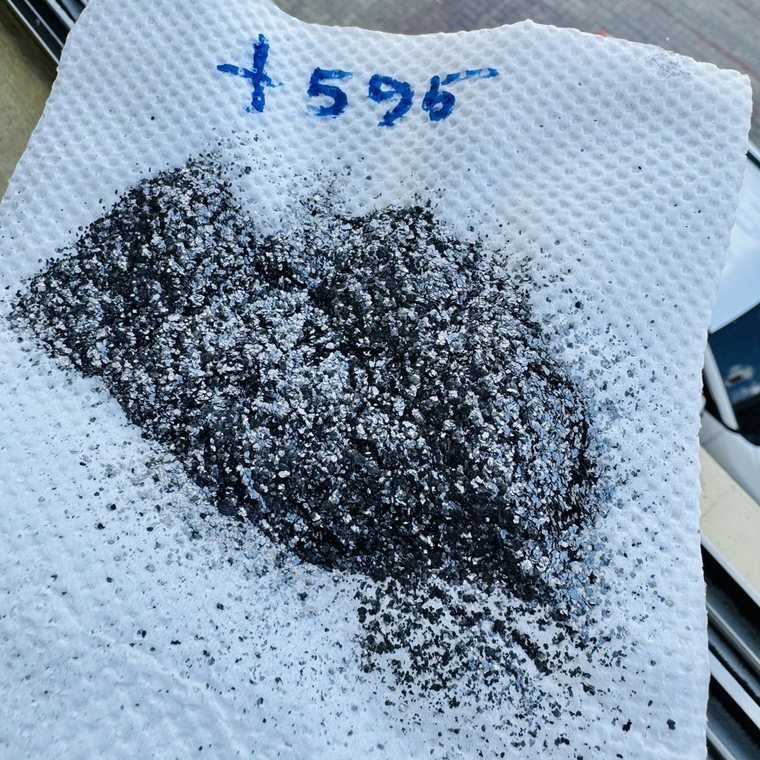
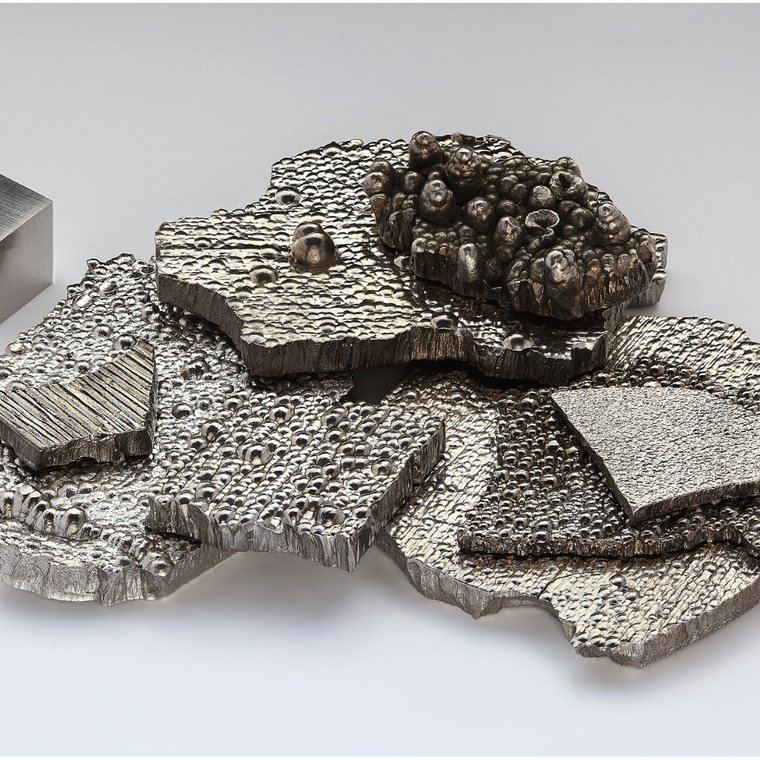
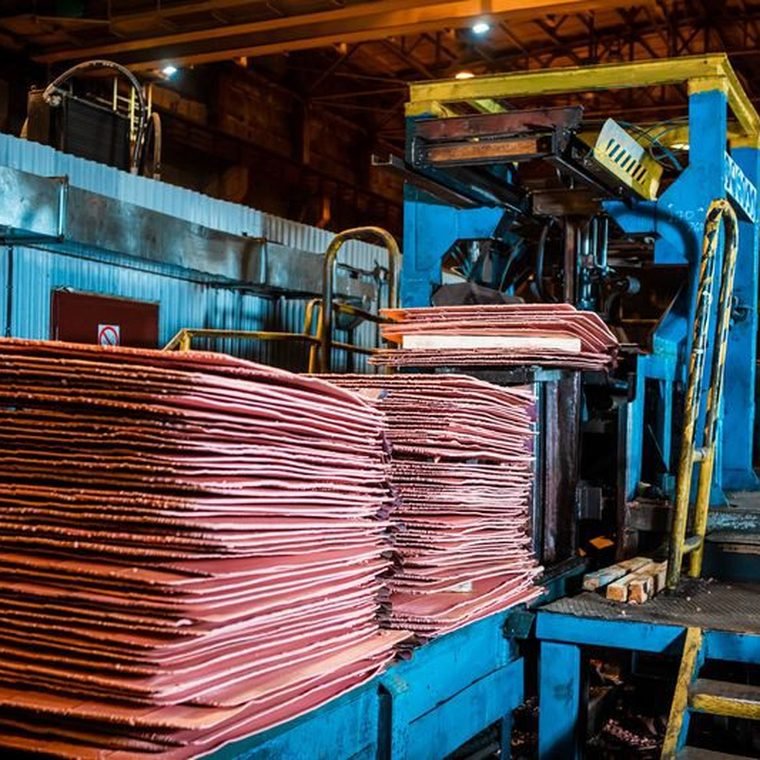
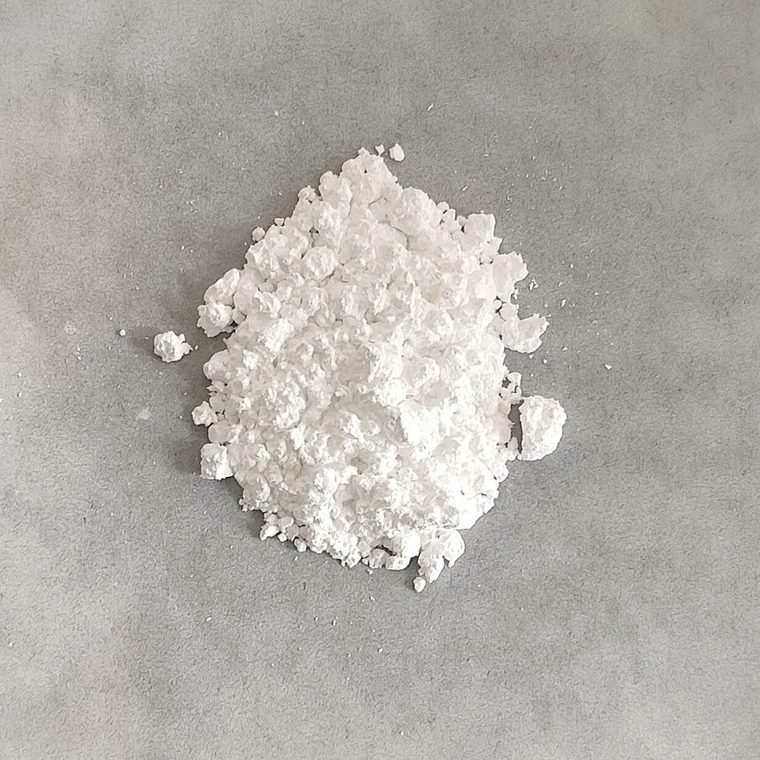
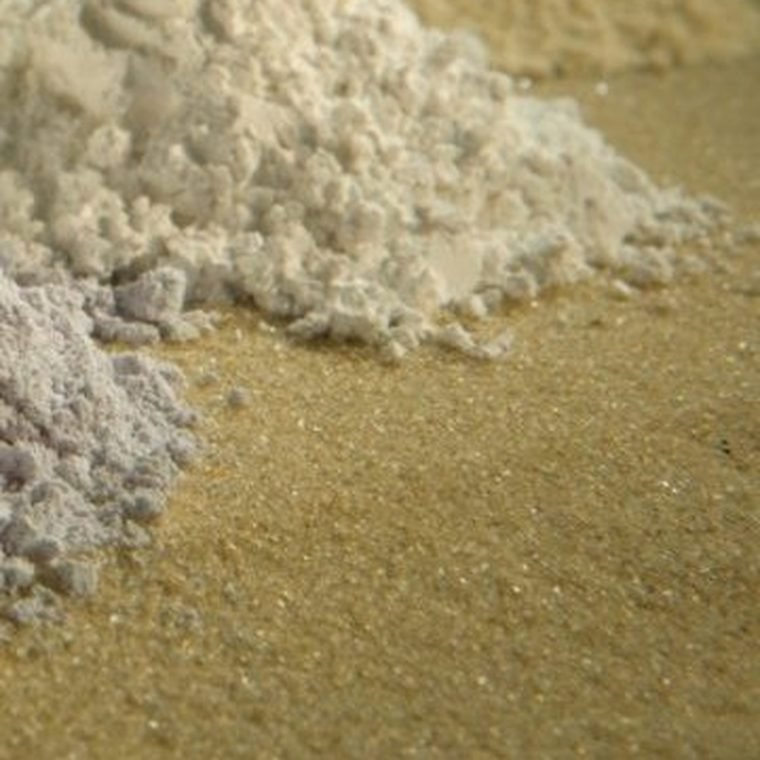
Illustrative of the forms and grades this practice works with. Nothing shown here is
offered for sale, and no quantities or prices are published on this site.
Element photographs: Wikimedia Commons, used under their respective Creative Commons licences.
Method
Form, grade and origin are three separate questions.
Ore, concentrate, oxide, metal, ingot, powder, chemical — each is a different product with a different buyer, even when the element on the label is the same. Establishing which one a client actually holds, and which one the market they are aiming at requires, is where the work begins.